

Managing financial risk in your business is essential for long-term success. Financial risk can come from a variety of sources, including market volatility, changes in interest rates, and even natural https://protech-consulting.org/coverage-limits-evaluating-the-scope-of-accounts-2/ disasters. Fortunately, there are several steps you can take to protect your business from financial risk. Risk managers and financial analysts are at the forefront of risk mitigation efforts. These professionals assess potential risks and their impact and devise strategies to minimize exposure.
- For individuals, understanding financial risks can help with making decisions about savings, investments, and managing personal finances to avoid financial hardship.
- Rising interest rates can lead to increased borrowing costs, while falling interest rates can lead to decreased returns on investments.
- In the event of a financial risk, it is possible that a company’s cash flow would be insufficient to meet its obligations.
- Credit risk can be mitigated through insurance and collateral, but some parties may still default.
- Geopolitical conflicts, interest rate changes, and shifts in investor sentiment create market swings that lead to quick capital losses.
What Are Some Strategies For Building An Emergency Fund To Manage Financial Shocks?
Still, if not managed properly, it can cause the company’s bankruptcy and loss for investors and lenders. Find out what risk management strategies you can put in place to protect your bottom line. Having the ability to identify and manage financial risk in a business is crucial.
Currency Risk (or Exchange Rate Risk)

By integrating risk data, streamlining workflows, and delivering real-time insights, MetricStream helps you build a resilient, risk-aware culture across the enterprise. Financial risk management is the process of identifying, evaluating, and reducing potential financial risks for individuals, businesses, or organizations. It is a proactive approach to safeguard financial stability and ensure long-term sustainability.

Business Risk (or Strategic Risk)
Managing this economic exposure can be achieved through operational strategies, like diversifying the locations of facilities; markets where products are sold; and sourcing of materials. Currency risk-specific mitigation options are also available, such as currency flows and currency swaps define financial risk that allow companies to limit the impact of currency exchange rate changes. Economic and market analysis involves assessing economic trends, market conditions, and their potential impact on business decisions. For instance, a company conducting an analysis might review inflation rates, consumer spending patterns, and industry-specific data to forecast market shifts.
Understanding Financial Haircuts: A Crucial Aspect in Risk Management
- Individuals and corporations might suffer capital losses as a result of financial risks.
- For example, if you own shares in a company and the price drops suddenly, you face price risk.
- Junk bonds, issued by entities with higher default risks, provide higher interest rates to compensate for their precariousness.
- This uses financial instruments such as options, futures, or forward contracts to offset potential losses.
- Finally, it’s important to diversify your investments to reduce your overall risk.
- By using these measures, governments can help to offset financial risk and promote economic stability and growth in their respective economies.
Investors are naturally cautious when it comes to investing in businesses with high financial risk, as it increases the likelihood of poor returns or even failure. As a result, businesses need to demonstrate a robust risk management framework and a clear understanding of their financial risks to instill confidence in potential investors and lenders. Each type of financial risk requires careful consideration and management. Investors and financial institutions employ various risk assessment tools and strategies to identify, measure, and mitigate these risks. By staying informed and proactive, individuals and organizations can navigate the complex landscape of financial risk and make sound decisions that align with their objectives. The manager implements a range of risk management strategies to manage these risks.
Balancing Risk and Return in Investment

Financial markets, such as stocks, bonds, and commodities, are unpredictable. Geopolitical conflicts, interest rate changes, and shifts in investor sentiment create market swings that lead to quick capital losses. In this blog, we will explain what financial risk is and the key causes behind it. We will also cover its primary types and proven strategies for mitigating them effectively. A firm should remember to reduce this type of risk to construct its capital structure by taking off too much burden from its shoulder.
There are several different types of Risks that finance mangers normal balance need to account for before proposing investment strategies, and this article covers a few of them in detail. Explore what project accounting is, how it works, and why it’s essential for businesses. Understand key principles, revenue recognition methods, and best practices to improve your knowledge. According to Statista data, 17% of small and midsize businesses have outstanding debts ranging from $100,000 to $250,000.

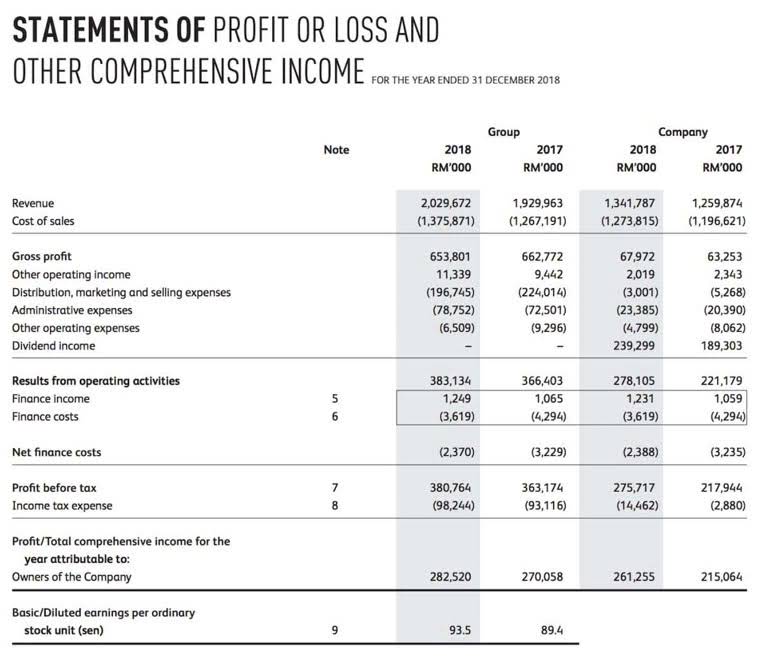
Risk identification is always the first step in any risk assessment process, and this applies to financial risk assessments as well. In addition to learning from past experiences, published standards, and best practices, organizations should consider a few other methods of identifying financial risks. A good starting point for identifying risks is to examine the company’s financial statements, disclosures, balance sheet, and other key reports and documentation, and noting any observations.
Accepting risk is vital in business; it’s what drives growth and profitability. Moreover, understanding what is financial risk can lead to making better informed business decisions or investments. Rather, depending on the circumstances, it entails certain pros or cons. Financial risk is the possibility of losing financial capital as a result of an investment’s failure to yield expected returns or encountering unforeseen market conditions. It encompasses the potential for an investor or company to face losses instead of gains in their financial dealings.
Difference Between Financial Risk vs. Business Risk
Financial risk assessment can be used to identify and quantify financial risks that may affect the organisation. It can help to identify and manage those risks, and can also help to make informed decisions about investment, lending, and other financial activities. Financial risk assessment is the process of systematically identifying, quantifying, and assessing financial risks.